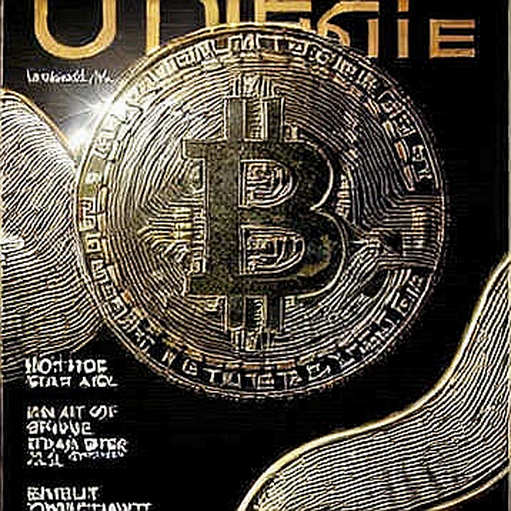
The CME Bitcoin futures open interest hit an all-time high of 12.8 billion dollars on April 15, three days before the quadrennial halving. Digital beasts, fragile code: the halving hype masks a structural fault line. The record is not a signal of consensus. It is a map of fear.
Context
The Bitcoin halving reduces the block reward from 6.25 to 3.125 BTC. Historical patterns show price rallies before and after the event. This time, the open interest spike diverges from spot volume. Derivative exposure now dwarfs actual on-chain settlement. The ratio of futures open interest to spot daily volume is 4.7:1 — the highest ever recorded. This means the market is betting on the event, not participating in it.

Core Analysis
First, the monetary policy dimension. Bitcoin's monetary base is fixed. The halving is a scheduled supply shock. Yet the futures market is pricing in a 15% move either direction within 48 hours after the halving. Trust is math, not magic: stripping away the myth that the halving is a guaranteed price catalyst. The implied volatility in options is 110% annualized. That is higher than during the 2022 capitulation. The market does not know which direction the shock will resolve.
Second, the mining economy. Public miners have hedged 40% of their expected production through short futures positions. The record open interest includes institutional hedging from companies like Marathon and Riot. This is not speculative froth. It is survival engineering. Miners are locking in prices because the hashprice (revenue per hash) is at a two-year low. The halving will cut their revenue by 50% overnight. If the price does not rise, margin calls trigger forced liquidations. Ghost in the audit: finding what wasn't in the miner disclosures. The real risk is not price decline — it is the cascading effect of miner selling post-halving if the price stays flat.
Third, the market microstructure. The open interest is concentrated in the front-month contract (May). That contract expires 14 days after the halving. The concentration creates a gamma squeeze scenario. Delta hedging by market makers amplifies any breakout. If the price breaks above 70,000, dealers must buy more. If it breaks below 60,000, dealers sell. The net gamma is negative. That means volatility begets more volatility. The record open interest is a bomb with a short fuse.
Contrarian Angle
The bull narrative says the halving reduces supply and drives price up. The data says otherwise. The four previous halving cycles each had at least a 30% drawdown within the first 60 days after the event. The 2016 halving saw a 38% drop before the real bull run started. The market has a short memory. The record open interest is not bullish. It is a massive hedging event disguising as speculation. Institutions are using the retail euphoria to lay off risk. The net speculative long positions have actually declined in the past week while open interest rose. That means the new contracts are mostly short hedges and arbitrage. Silence speaks louder than the proof: the lack of a corresponding spot rally confirms the divergence.
Takeaway
The halving will happen. The code is immutable. But the market around it is a fragile construct of leverage. The record open interest will unwind within two weeks. The question is not if the price moves, but whether the unwind is orderly or forced. Based on my audit experience, any market with a 4:1 derivative-to-spot ratio must be treated as a systemic risk event. Watch the funding rate and the miner hashprice. If the price does not exceed 70k before the halving, prepare for a rapid retrace. The math does not lie. The market does.