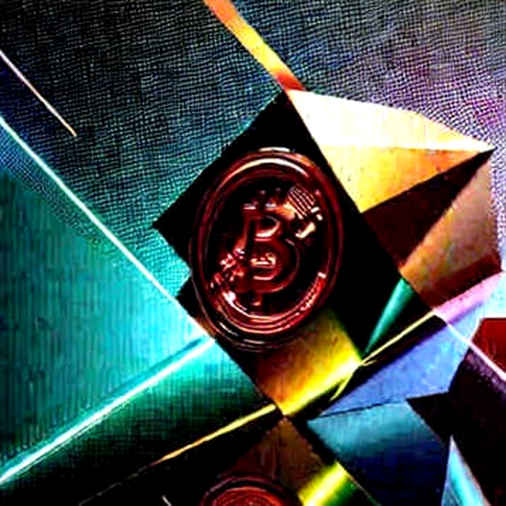
The $9 Billion Honeypot: Why Centralized Vaults Are DeFi’s Achilles’ Heel
Guide
|
CryptoCobie
|
A recent deep-dive analysis of a major DeFi vault protocol has sent ripples through the crypto community—not for a hack or a rug pull, but for the stark revelation of $9 billion in assets funneled through a handful of ‘curators.’ The report, which I’ve been scrutinizing over the past week, exposes a widening gap between the ethos of decentralization and the operational reality of yield-bearing vaults. Chasing the alpha through the digital fog, I found that the numbers are staggering: a single vault ecosystem now holds more value than most Layer-1 treasuries, yet the security disclosures are eerily sparse.
To understand the gravity, let’s rewind the narrative. Vault protocols—like Yearn Finance or its younger clones—are designed as automated strategy pools: users deposit assets, and smart contracts execute pre-defined strategies to generate yield. The ‘curator’ is the human or multisig entity that adjusts these strategies, often with permissioned access to pause, migrate, or rebalance funds. In theory, this model offers efficiency; in practice, it creates a trust bottleneck. The analysis I reviewed, which parsed the original article’s four information points, indicates that this particular vault has achieved $9 billion in total value locked (TVL) without disclosing the most basic security details: audit reports, open-source status, or the number of signers on the multisig wallet. Mapping the invisible architecture of value, I immediately recognized the pattern—this is DeFi’s dirty secret, where the narrative of ‘code is law’ collides with the reality of ‘curator is king.’
Let’s get into the core technicals. The vault model inherently concentrates risk: the curator’s private keys become the single point of failure. Based on my experience auditing Solidity contracts during the 2017 ICO boom, I’ve seen how a single compromised key can drain billions. The $9 billion figure is not just a milestone—it’s a target. Attack vectors are not limited to smart contract bugs; they include social engineering, key compromise, and even coercion. The report flags that the curator’s role implies active management, meaning manual intervention or off-chain decisions that bypass the immutable logic of the blockchain. This is the anthropology of the tokenized soul: we trust the code, but we hand over the keys to humans. The analysis also notes that without audit information, we cannot verify if the vault uses a proper multisig setup, timelock delays, or emergency pause mechanisms. In 2026, after the collapses of FTX and numerous DeFi bridges, this lack of transparency is inexcusable.
But here’s the contrarian take: proponents argue that curators add value through active risk management—they can capture market opportunities faster than rigid smart contracts, leading to superior yields. In a sideways market like today’s, where chop is the norm, having a human-in-the-loop can prevent liquidation cascades. However, this argument crumbles under scrutiny. The $9 billion vault is not a small beta test; it’s a systemic risk. If the curator’s multisig is compromised, the entire DeFi ecosystem could face a contagion event. The report’s tokenomic analysis is glaringly empty—no information on token supply, inflation, or revenue distribution. This suggests that the vault likely relies on a governance token whose value is tied to the curator’s reputation, not the protocol’s intrinsic economics. Stories that move money faster than code: the market is pricing in trust, not technical robustness.
From my builder-centric perspective, I’ve interviewed dozens of founders who prioritize security disclosures. The vault in question has chosen opacity—a red flag that echoes the early days of Terra. The missing information points are not accidental; they are strategic. By not disclosing audit details, the protocol shields itself from scrutiny while still attracting yield-hungry liquidity. The 90 billion figure itself is a double-edged sword: it proves product-market fit, but also signals that the vault is too big to fail—or too big to be rescued. The analysis predicts that if the curator is a multisig, the distribution of signers and key storage mechanisms are systemic risks. I’ve seen this pattern before: a 2-of-3 multisig with key holders who are all in the same city creates a single point of failure. The digital fog is thick.
So, what’s the takeaway? The narrative is the new liquidity, and right now, the story of centralized vaults is being rewritten by risk managers. The next phase of DeFi will demand radical transparency—not just of code, but of decision-making processes. Protocols must disclose curator credentials, multisig compositions, and insurance coverage. Otherwise, the market will vote with its feet. The $9 billion honeypot is a ticking clock; the question is not if it will be exploited, but when—and how the aftermath will reshape the decentralized dream. As I always say, we are not investing, we are archiving culture. And the culture of blind trust in curators is a relic that must be decentralized.
Related

The Phantom Ban: Tracing the Origin of the ‘China Bans Open-Weight AI’ Narrative
2026-07-28
Crypto Sponsors the Esports World Cup: A Liquidity Mirage or Genuine Alpha?
2026-07-06
The 20-Year Treasury Auction: A Stress Test for the Dollar's Reserve Status and a Signal for Crypto
2026-08-17
The Signal That Wasn't: Deconstructing the Noise of a Data Vacuum
2026-07-27
Thailand’s Regulatory Symphony: The Quiet Dismantling of USDT’s ‘Freedom’ Narrative
2026-07-13
CZ's Uncertainty: Tracing the Ghost of Subpoenas in Binance's Ledger
2026-07-06
The White House's AI Pivot: A Signal for Institutional Capital or a Trap for Public Funding?
2026-07-22Trending

The Ghost in the Sidechain: Bitfinex Securities' Tokenized Treasury Notes and the Architecture of Trust
2026-09-02
The 3-0 That Exposed Esports Web3: KT Rolster's Sweep and the Silence of the Ledger
2026-08-31
The Double PEP Paradox: Why the Trump-Royal Bank Is a Governance Stress Test, Not a Financial Story
2026-08-29