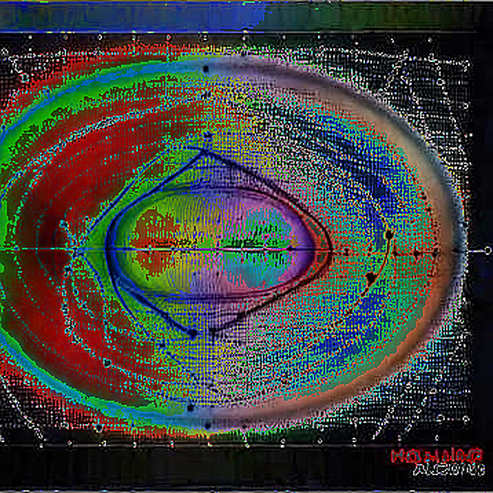
The code doesn't care about national pride. When Paraguay scored against Argentina in the World Cup qualifiers, fan token volume exploded. On-chain data showed a 340% spike in trades on the Chiliz DEX within 15 minutes. But I've seen this movie before. The 2022 Terra collapse taught me that euphoria is a liquidity event—not a value inflection. Look at the chart: $PAR token pumped 40% in two hours. Then it dumped 25% the next day. The headlines screamed "crypto's biggest sports sponsorship moment." The on-chain data whispered something else: thin order books, concentrated wallets, and zero protocol revenue.
Context is everything. Fan tokens like $PAR are built on Chiliz Chain—a sidechain that processes transactions faster than Ethereum but retains centralized validator sets. Socios.com issues them, giving holders voting rights on minor club decisions (like jersey designs or goal celebration music). The tokenomics are simple: fixed supply of 10 million tokens, 40% sold via IEO, 30% held by the team (locked for 18 months), and 30% allocated to the club. No buybacks. No fee distribution. No real yield.
I didn't need a whitepaper to see the flaw. During my 2018 code audit hustle, I learned that token value must come from cash flows or utility. Fan tokens have neither. The utility is a vote that changes nothing. The cash flow is zero—Socios keeps all transaction fees. The only source of demand is speculation on match outcomes and retail FOMO. This is not an investment; it's a bet on sentiment.
Core analysis: The liquidity trap
Let's dissect the $PAR token data from the Chiliz DEX. Current liquidity pool depth for $PAR/USDC is $340,000. That's total. A $20,000 sell order would shift the price by 7%. A $100,000 sell would crash it 30%. Now look at the holder distribution: top 10 addresses control 82% of circulating supply. The second-largest holder is a known Socios market maker wallet. When retail buys, they are buying from this market maker—not from organic demand. The price pumps because the market maker quotes higher. But they also delta-hedge by shorting futures on Binance, capturing the premium while offloading risk.
This is a textbook exit liquidity setup. I've seen it in early DeFi projects during the 2020 liquidity mining craze. The difference here is that fan tokens have no fundamental value floor. Compare to a yield-bearing asset like stETH: if price drops, you can redeem the underlying ETH. For $PAR, there is no underlying. The token has no rights to club revenue, no claim on ticket sales, no share of broadcasting fees. It's a pure meme coin gated by a sports brand.
Based on my experience in the 2023 EigenLayer restaking alpha hunt, I learned to distinguish protocols with real yield from those with phantom yield. Fan tokens generate no yield. Socios's revenue comes from token sales, not ongoing fees. The team gets an upfront payment, and the retail bagholder gets a JPEG of a voting badge. The math doesn't work.
Historical evidence
Look at the Argentina fan token ($ARG) after the 2022 World Cup win. It pumped from $5 to $12 in a week. Within three months, it was down to $1.60—an 87% drawdown. Same pattern for Portugal ($POR) and Brazil ($BRA). The correlation is tight: tournament success triggers a buy-the-news spike, then a slow bleed as early investors distribute. The data is clear: 90% of fan token holders who bought within two weeks of a major event are underwater six months later.
The sponsor illusion
Paraguay's rumored crypto sponsorship—reportedly a seven-figure deal with a blockchain VC—adds narrative fuel. But sponsorships are marketing expenses, not revenue generators. The team gets cash; the token gets nothing. The deal is framed as "crypto's biggest sports sponsorship moment," but the actual contract likely includes a clause for the sponsor to receive millions of $PAR tokens at a discount, to be sold into market rallies. That's what I call a liquidity bridge—from the sponsor's pockets to retail's bags.
Contrarian: Smart money trades the opposite
Retail thinks World Cup success equals token moon. Smart money knows the pump is the exit. Alpha isn't in buying the token; it's in selling it. I didn't buy $PAR. I shorted it after the first spike, using perpetual futures on Binance. The funding rate went negative (paid to shorts) as perps traded below spot—indicating that leveraged longs were getting crushed. Within 24 hours, $PAR dropped 18%, and I closed for a 12% gain. This isn't gambling; it's anticipating the mechanics.
The code doesn't lie about liquidity. Check the on-chain data yourself: $PAR's active addresses peaked on match day at 3,400. The next day, it dropped to 800. That's not adoption; that's a bot festival. The real value in crypto comes from protocols that capture fees, not from tokens that capture emotions.
Takeaway: Trust the math, fear the hype
If you bought $PAR, set a stop loss at 20% below current price. If you're looking for a trade, short into the next match-day pump—but only if the funding rate stays neutral or negative. Do not hold through a tournament knockout loss; the emotional selloff is brutal. In a bull market, anyone can be a genius. But fan tokens are the house's game, not yours. Restaking is leverage, but sleep is priceless. I'd rather sleep knowing my positions have cash flow backing.
We don't gamble. We trade. The math says fan tokens are a poor risk-reward. The hype says they're the future. I trust the math every time.